The Small Joy of a Slow Forest Walk
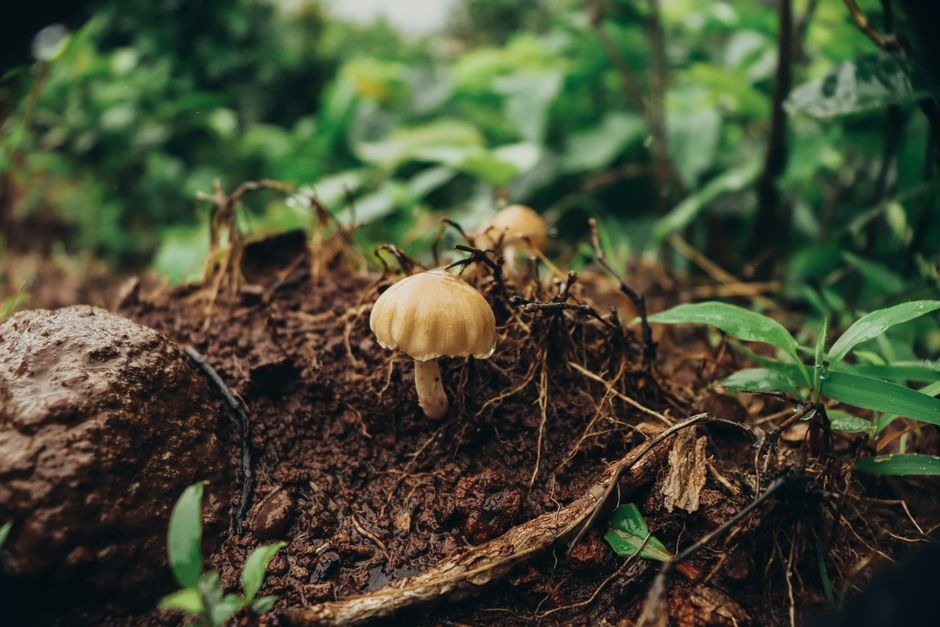
There is a particular kind of walk that has very little to do with distance. You might cover only a few kilometres, yet come home with the sense that you have been somewhere much larger. The difference is pace. A slow forest walk shifts attention away from finishing a route and toward the layers of life that are easy to miss when you are moving quickly.
Early autumn is especially rewarding for this kind of outing. Damp bark darkens after rain, fallen leaves gather in hollows, and small fungi appear beside paths and at the bases of trees. The pleasure is not in identifying every species or turning the walk into a field test. It is simply in noticing how much texture exists in a patch of woodland you might otherwise hurry through.
Begin without a target distance
Choose a familiar path, a small woodland loop, or even the tree-lined edge of a local park. A route of thirty to sixty minutes is enough. Leaving the distance open-ended removes the quiet pressure to keep moving and gives you permission to stop when something catches your eye.
For the first ten minutes, try walking at roughly half your normal pace. Listen for changes in the sound of the ground: dry leaves, gravel, roots, soft soil. Notice where the light becomes cooler beneath dense branches and where it opens into brighter patches. These simple contrasts give the walk a rhythm without needing any formal exercise.
Look down as often as you look ahead
Forest floors are full of small compositions. Moss grows over old wood in irregular cushions. Seed cases collect beside stones. Mushrooms can appear overnight in clusters, single caps, or delicate shelves along fallen branches. Their colours are often subtle—cream, rust, ochre, grey—so they reward close attention.
If you enjoy photographing what you see, work slowly and avoid disturbing the scene. A phone or small camera is enough. Rather than moving leaves or branches to make a tidier picture, try changing your position. Kneeling lower, stepping to one side, or waiting for a shaft of light often creates a more interesting frame while leaving the woodland exactly as you found it.
A slow walk is less about collecting facts and more about giving ordinary details enough time to become interesting.
Keep the outing observational
It is tempting to turn every unfamiliar mushroom, plant, or track into a puzzle that needs an immediate answer. Sometimes that is useful, but it can also pull you back toward the screen. Consider taking one or two photos for later identification and then continuing the walk. The point is to remain present in the place rather than converting the whole outing into research.
For fungi in particular, observation is the simplest approach: look, photograph if you wish, and leave them where they are. Many species are difficult to identify confidently from appearance alone, so a casual nature walk is better treated as a chance to notice variety rather than as a foraging trip.
A tiny notebook changes what you notice
A pocket notebook can make these walks surprisingly memorable. You do not need to write full descriptions. Three short notes are enough: something you saw, something you heard, and one detail that changed since your last visit. A line such as “orange caps beside the birch stump” can bring a whole afternoon back months later.
Over time, returning to the same route becomes part of the appeal. The dramatic landmarks stay mostly the same, but the small details keep changing. A path that seemed plain in summer may be covered in bronze leaves a few weeks later. A fallen branch gathers moss. A familiar clearing becomes brighter after the canopy thins.
End before the walk feels like a task
The best slow walks often finish while you still want a little more. Turn back when the light begins to fade, when the weather shifts, or simply when your attention starts to wander. There is no need to make the outing productive. Its value is in the reset created by an hour of looking carefully at a place that asks nothing from you.
That is the quiet charm of walking slowly: the landscape does not need to be spectacular. A damp path, a patch of moss, and a handful of small seasonal details can be enough to make an ordinary afternoon feel distinctly its own.