Field Notes for Short Walks: A Studio Practice
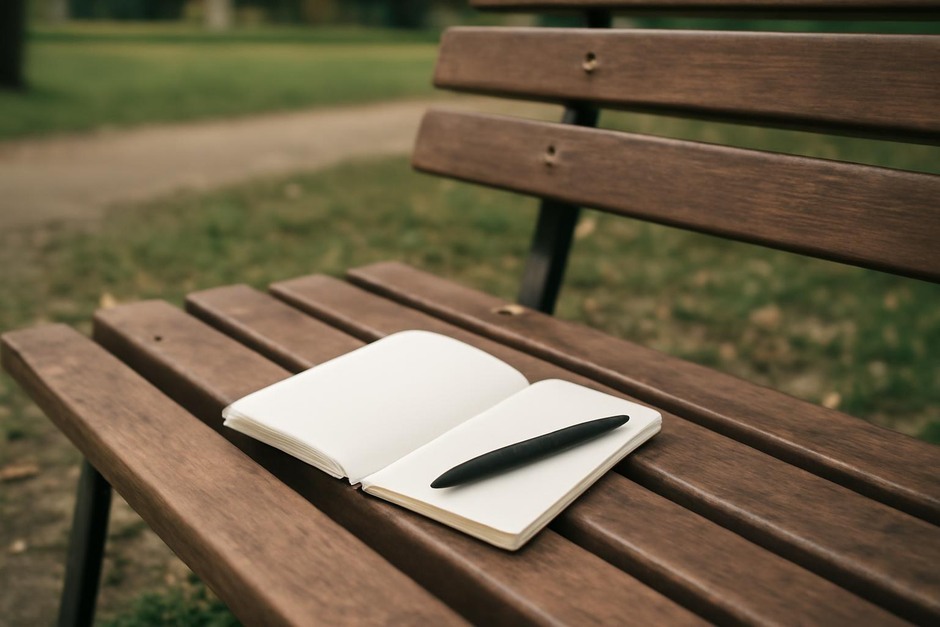
Opening observation: when I step outside without a destination, a short walk can feel aimless or restorative depending on whether I carry a small, simple constraint. Over the years I’ve treated the neighborhood walk like a miniature studio session—one clear question, two or three modest tools, and a repeatable process. The result is a stack of tiny observations that slowly change how I attend to a place.
The Question: What if a Walk Were a Mini-Studio Session?
Every studio practice needs a question. For these short walks the question is intentionally narrow: what three things change along this route in fifteen minutes? Framing the walk as an attempt to answer one small question turns grazing attention into purposeful noticing. It’s not about collecting everything; it’s about returning with a handful of things that can be reflected on later.
The Tools and Constraints (Process)
Part of the studio approach is choosing constraints that sharpen perception. My toolbox for a short walk is deliberately minimal:
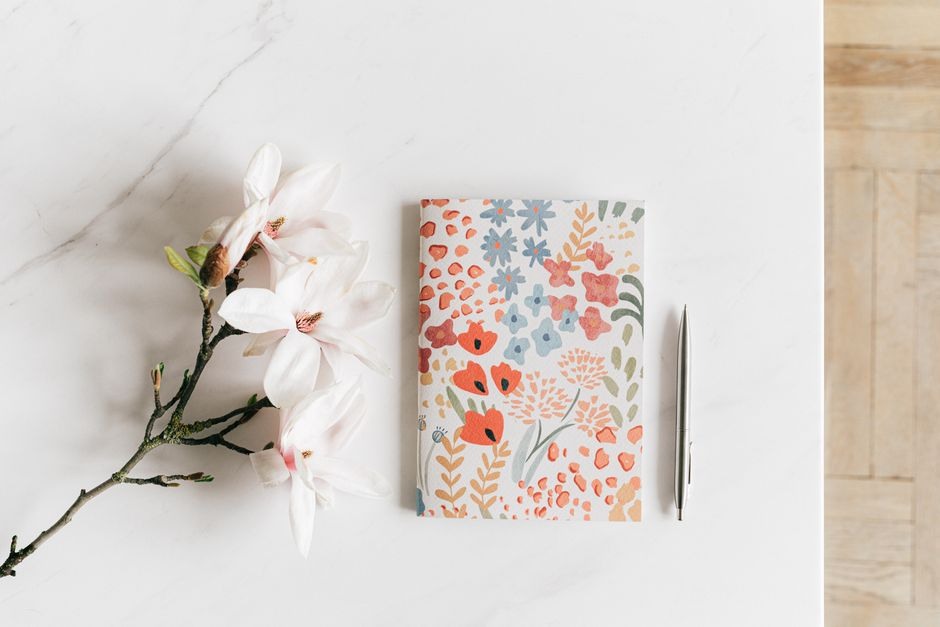
- One small notebook (pocket-sized, unlined pages).
- One pen that won’t leak or freeze in winter.
- A single prompt card or mental prompt—the question above or a seasonal variation.
Constraints to keep the session brief and useful:
- Limit the walk to 15–30 minutes.
- Choose a route you know but don’t follow it the same way each time.
- Allow only three types of entries in the notebook: a short phrase, a quick sketch, or a one-line sensory note (sound, smell, texture).
These limits reduce decision fatigue and encourage the kind of rapid noticing that studio exercises aim to cultivate.
A 20-Minute Field-Notes Practice (Process)
Here’s a simple sequence to make the walk feel like a repeatable session:
- Set the question (1 minute). Quietly rest on the stoop or by a window and restate: what three things change along this route in fifteen minutes?
- Begin the walk (5–15 minutes). Move at a comfortable pace. Each time you notice something that answers the question, make one quick entry: a phrase, a tiny sketch, or a sensory note. Limit entries to three per block of five minutes.
- Pause deliberately (1–2 minutes). At a bench, curb, or step, read back the three entries and add a one-line reflection—why did these stand out?
- Close the loop (1 minute). Before returning indoors, choose one of the entries and imagine a small next step: a photograph, a longer sketch later, or a question for another walk.
Possible prompt variations: look for movement instead of change, focus only on sound, or follow a single plant for the duration of the walk. The constraint of answering a single question is what makes these different from aimless wandering.
Review and Gentle Evaluation (Review)
After several walks, the studio method requires a brief review session. Pull the past week’s notebooks and look for patterns. Questions to guide the review:
- Which types of change did I notice most often: light, sound, human activity, or plants?
- Did certain routes yield richer notes than others?
- Did my entries become more specific or more abstract over time?
Review isn’t about judgment; it’s about cultivating a feedback loop. If you notice your entries are often about the same three trees, try a prompt that asks you to avoid trees next time. If your notes get sparse, shorten the walking time or change the sensory focus.
Over months, these small reviews create a quiet record: a layered map of attention that reveals seasonal shifts, habitual blind spots, and new curiosities. Some entries will be mundane—dog prints in mud, an engine idling—but their repetition becomes meaningful when you see patterns across weeks.
Measured Conclusion
Turning short walks into studio sessions with a single question, strict constraints, and a concise review can transform the ordinary into a steady practice of learning. The notebook becomes not a burden but a companion: one small artifact that anchors memory, nudges curiosity, and slowly trains the eye and ear. If you try it, keep the frame small and forgiving—fifteen minutes, one question, three notes—and let the practice accumulate instead of demanding immediate insight. Over time, those tiny commitments reorient how a place feels and how you move through it.