Quick Notes or Deep Sessions: Choosing a Seasonal Nature-Journaling Practice

Keeping a nature journal can be as minimal as a single line written between errands or as expansive as a slow field session with sketches, measurements, and a thermos of tea. Both approaches have value: one trains attention through repetition, the other deepens understanding through focused inquiry. Below is a comparison of the two, followed by practical guidance on which to choose depending on your season, time, and intentions.
Approach One: Quick Daily Notes
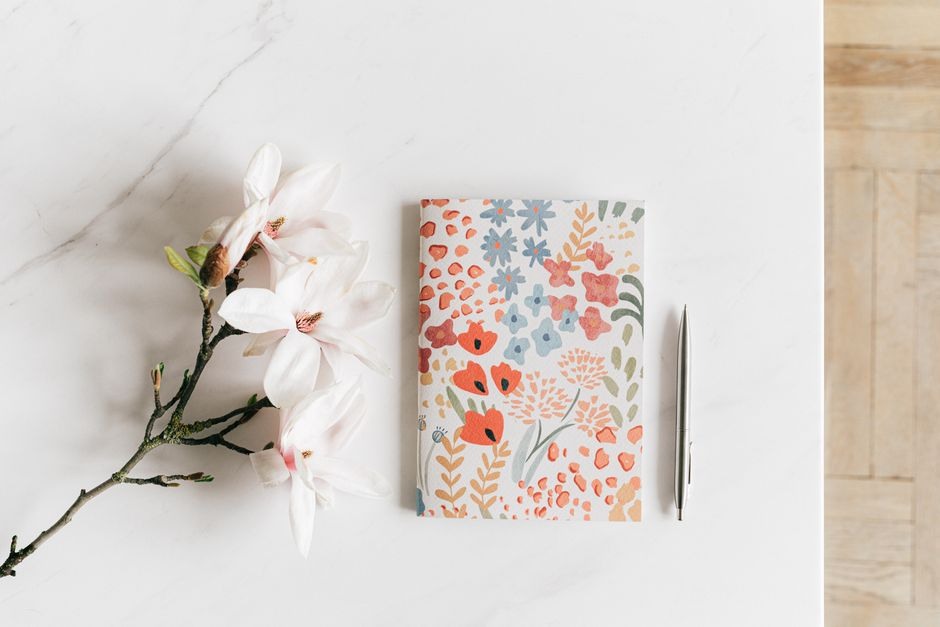
What it looks like: a small notebook or an index card kept in your pocket, five minutes spent jotting an observation—weather, a bird call, a color shift, a smell—either outdoors or when you come inside. Entries are brief, often thematic shorthand: a date, one sensory note, and perhaps a 1–2 word question to follow up later.
Strengths
- Habit formation: Short duration lowers the barrier to starting and keeps momentum through a season.
- Temporal sensitivity: Frequent notes reveal patterns—first frost, frog chorus, migrating sparrows—that accumulate into a seasonal portrait.
- Low setup: Minimal tools and time required; easy to do on commutes or brief outdoor breaks.
Limitations
- Surface-level observations may miss context or connections that require longer attention.
- Fewer sketches or measurements means weaker memory anchors for future comparison.
Approach Two: Thematic Field Sessions
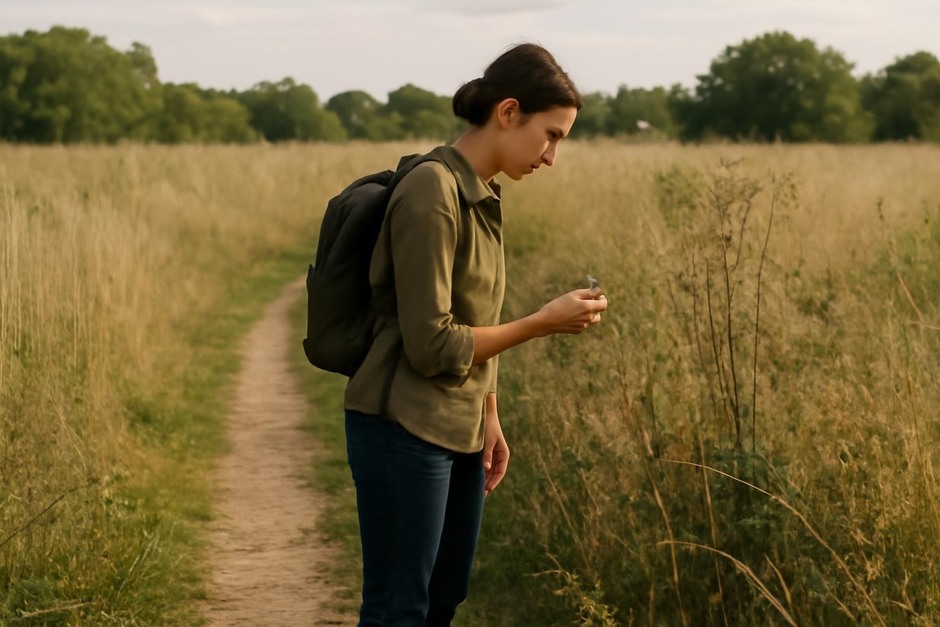
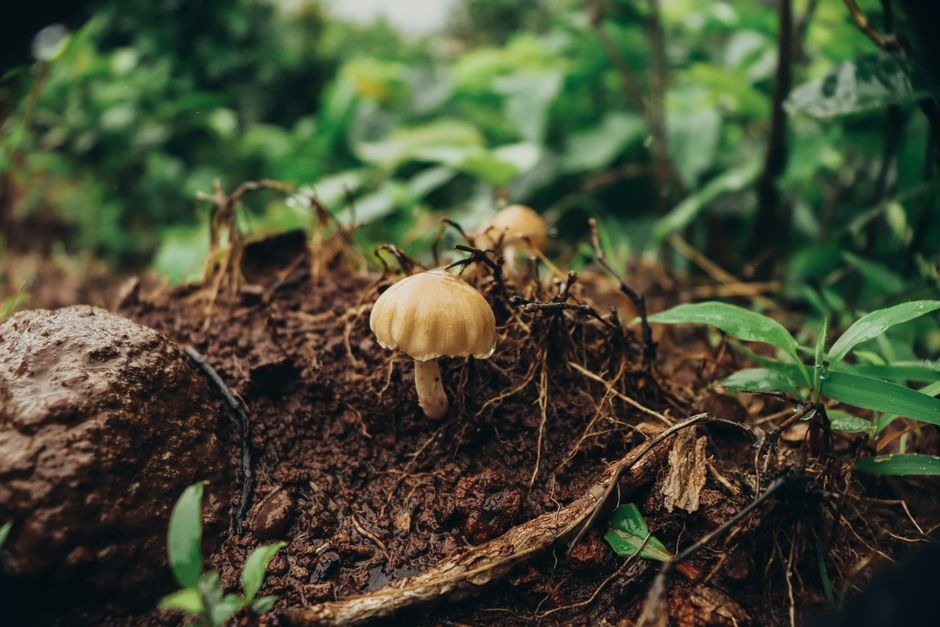
What it looks like: one longer outing each week or month devoted to a theme—trees, fungi, insect life, a stretch of riverbank—with a small kit: notebook, pencils, a hand lens, measured transect, and perhaps a camera. Sessions are slower and more structured, with time for sketching, counting, or mapping.
Strengths
- Depth: Extended attention uncovers interactions and life cycles you might miss in brief check-ins.
- Skill-building: Regular practice with identification, sketching, or simple measurements improves observational acuity.
- Meaningful artifacts: Detailed pages can become reference points for comparing seasons and years.
Limitations
- Requires larger time blocks and a little gear, which can be a hurdle in busy seasons.
- Less frequent data points may miss rapid changes unless paired with occasional quick notes.
Choosing Between Them: Four Practical Questions
Answer these to pick the approach that fits your life and curiosity right now.
- How much time do you reliably have? If five minutes most days is realistic, start with quick notes. If you can carve out a 90-minute window weekly, thematic sessions will be rewarding.
- What are you aiming to learn? Track seasonal timing and surface patterns? Quick notes. Understand relationships, life cycles, or hone a skill like sketching? Thematic sessions.
- What season are you in? Spring and fall often teem with rapid changes—frequent quick notes capture that tempo. Winter and late summer can reward deeper, slower study when the pace of change is steadier.
- How do you like to work? If you enjoy accumulation and habit, daily brevity is satisfying. If you prefer immersion, choose depth. You can also mix both.
A Practical Hybrid Plan
Many people find a hybrid approach hits the sweet spot. Here’s a simple routine you can adapt:
- Daily (5 min): One-line note—date, location, one sensory observation, one-word question.
- Weekly (60–90 min): Thematic session—choose one theme, spend time sketching, counting, or measuring, and write a reflective paragraph.
- Monthly (30–60 min): Review pages, highlight recurring notes, and pick a new theme or a habit to continue.
This structure keeps momentum without demanding too much time and lets quick notes feed ideas for deeper sessions. If your schedule tightens, keep the daily line; if the season invites, expand the weekly session into the field with a thermos and a ruler.
Getting Started: A Short Checklist
- Choose a small notebook that feels good in your hand.
- Pick one pen or pencil and a pocket protector for the quick approach; add a hand lens and measuring tape for thematic sessions.
- Set a modest goal: 5 daily lines or one 60-minute session per week for a month.
- Use prompts: color, sound, movement, weather, and one question to follow.
Whether you collect many brief markers of change or spend hours following a single thread, a seasonal nature journal is a companion that reshapes how you notice the world. Choose the approach that matches your life now, and allow it to evolve with the seasons.