Studio Notes: A Listening Walk to Hear the Season

Question
What if a short, deliberate walk focused on sound could sharpen how you notice the season? This studio-note explores a compact, repeatable method for a 15–20 minute listening walk. The aim is not perfect recall or an exhaustive field record, but a small ritual that trains the ear and deepens ordinary outings.
Step-by-Step Method
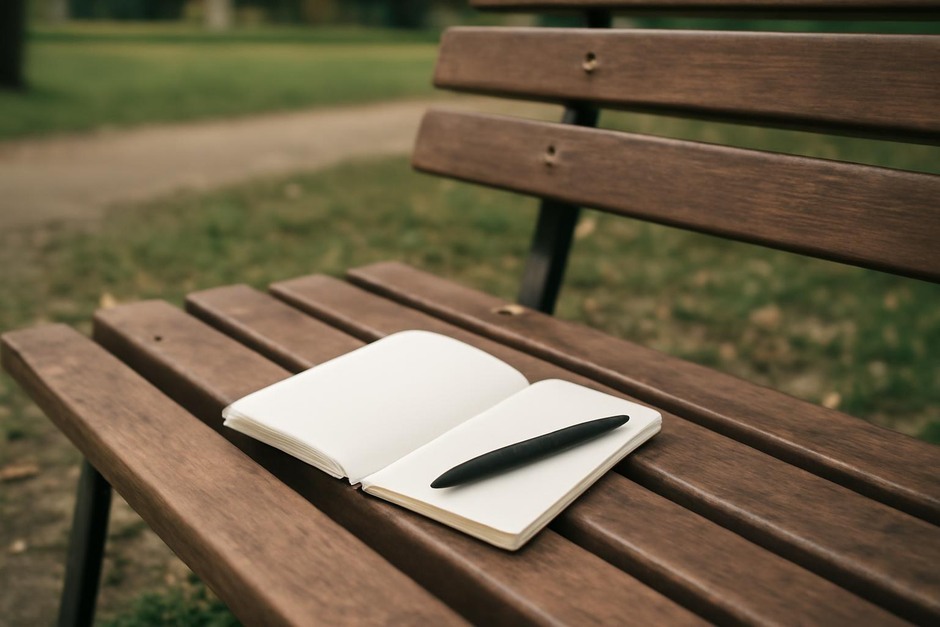
Time needed: 15–20 minutes. Bring: a small notebook or folded paper, a pen or pencil, and a watch or phone timer kept face down. Optional: a light jacket and closed-toe shoes.
- Set the question (1 minute). Stand where you will begin and name a simple question out loud: “What are the dominant sounds of this place right now?” Saying it anchors attention and gives the walk a clear orientation.
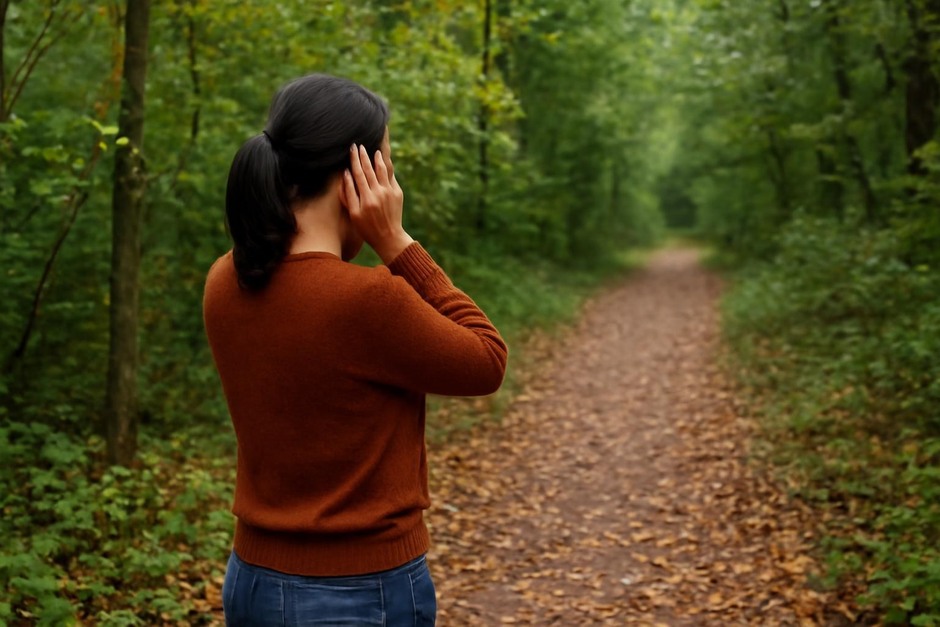
- Start with a 1-minute stillness. Before stepping off, stand quietly and breathe. Allow sounds to arrive without chasing them. Notice layers: immediate (your breath, clothing), near (footsteps, leaves), and distant (cars, birds).
- Anchor to an audible landmark (2–3 minutes). Choose one sound and follow it for a few minutes—an insect, a distant engine, a crow. Rather than walking toward it, note how the sound changes as you move: gets louder, fades, changes pitch. This trains spatial listening.
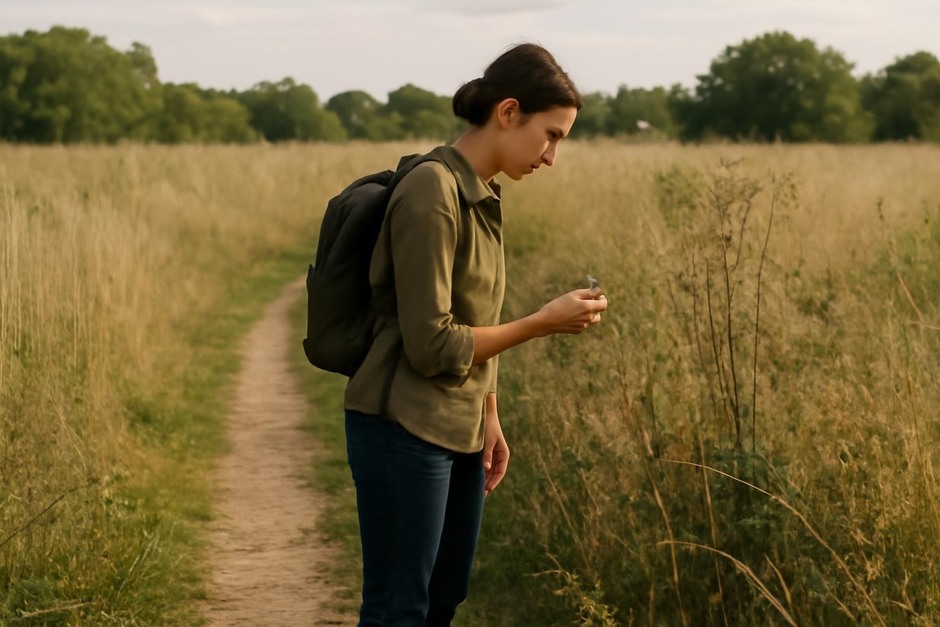
- Micro-scan (6–8 minutes). Walk at a slightly slower pace than usual. Every 30–60 seconds, pause for 10–15 seconds and jot one brief note: a word, a symbol, or a tone description (e.g., “metallic clink,” “long bell,” “short purr”). Aim for 6–10 quick notes. Keep entries short—this is observation, not prose.
- Introduce a focused sense (2–3 minutes). On the next pause, pick one additional sense—scent or touch—and connect it to what you hear. For example, does the damp earth make the insect hum seem muffled? Does a breeze make distant traffic shimmer? Record a single sentence linking the senses.
- Close with a two-line takeaway (1–2 minutes). At the end, find a bench or curb. Write two quick lines: one describes the dominant seasonal sound you noticed, the other names a small change you might make next time (e.g., “walk earlier,” “bring earplugs,” “use a recorder”).
Review
Back at a table or at home, read your notes aloud in a whisper. Listen to the memory you just created. The act of speaking them back turns raw observation into a tiny archive. Over a week, compare the two-line takeaways to notice shifts: different bird songs, more human-made noise, or quieter afternoons. This review completes the studio cycle—question, practice, and reflection.
Variations
- Seasonal tweaks. In winter, extend the initial stillness to 2–3 minutes; sound travels differently and the quiet reveals details. In spring and summer, shorten the micro-scan pauses to 20–30 seconds to capture rapid insect and bird activity.
- Urban listening walk. Use the same steps but treat human noise as part of the soundscape. Anchor to a bus rumble, a market seller’s call, or the rhythm of footsteps on pavement. Focus on patterns rather than judging sounds as good or bad.
- Camera or recorder add-on. Carry a simple audio recorder or phone voice memo and capture 30–60 second clips when you pause. Later, match clips to your notebook entries for a richer review.
- Shared practice. Walk with a friend but keep silence while listening. After the walk, swap one noted sound each and compare impressions—this highlights how listeners differ.
Troubleshooting
- Distraction or impatience. If your mind keeps skipping to tasks, shorten the walk to 10 minutes and commit to just two micro-scan pauses. Small consistency beats occasional marathon sessions.
- Too much noise. In persistently loud places, shift the question: instead of asking what dominates, ask what changes when you stop for 15 seconds. Even in noise, small textures—paper rustling, a bicycle bell—will appear.
- Boredom or sameness. Rotate listening prompts: one day focus on rhythm (patterns), the next on pitch (high/low), another day on source (living or mechanical). Changing the lens renews curiosity.
- Not enough notes. If you return with only one or two entries, don’t force it. Accept the low-count day as data: some afternoons are quiet. Try shifting time of day or route next practice.
Studio practices are most useful when light and repeatable. A listening walk like this becomes a small ritual you can repeat across weeks and seasons. The skill you build is simple: learning to pause, to let sound unfold, and to keep the record short enough that it invites repetition. Try it tomorrow at a slightly different hour and notice what that change reveals.